Visa has enabled the launch of three brand new digital wallets across Europe, in partnership with BBVA, Klarna and Vipps MobilePay, and is collaborating with BANCOMAT on a pilot planned for early 2026.
These are the first Visa-enabled wallets to use NFC (Near Field Communication) technology to allow HCE (Host Card Emulation) on iOS wallets.
A major regulatory shift under the EU’s Digital Markets Act opened NFC access to third-party wallets, paving the way for greater competition and innovation in mobile payments. This allows more European players to bring new experiences to market and give consumers more choice.
According to Visa research¹, mobile payments now represent more than half (59%) of all e-commerce transactions in Europe, and that figure is expected to rise to three quarters (75%) by 2030. With just under a third (32%) of Europeans saying they plan to rely exclusively on mobile wallets for purchases, there is a clear shift toward wallet-centric ecosystems, driven by demand for speed, simplicity, and control.
Visa has worked with three issuers and a domestic scheme across Europe to launch the new iOS wallets:
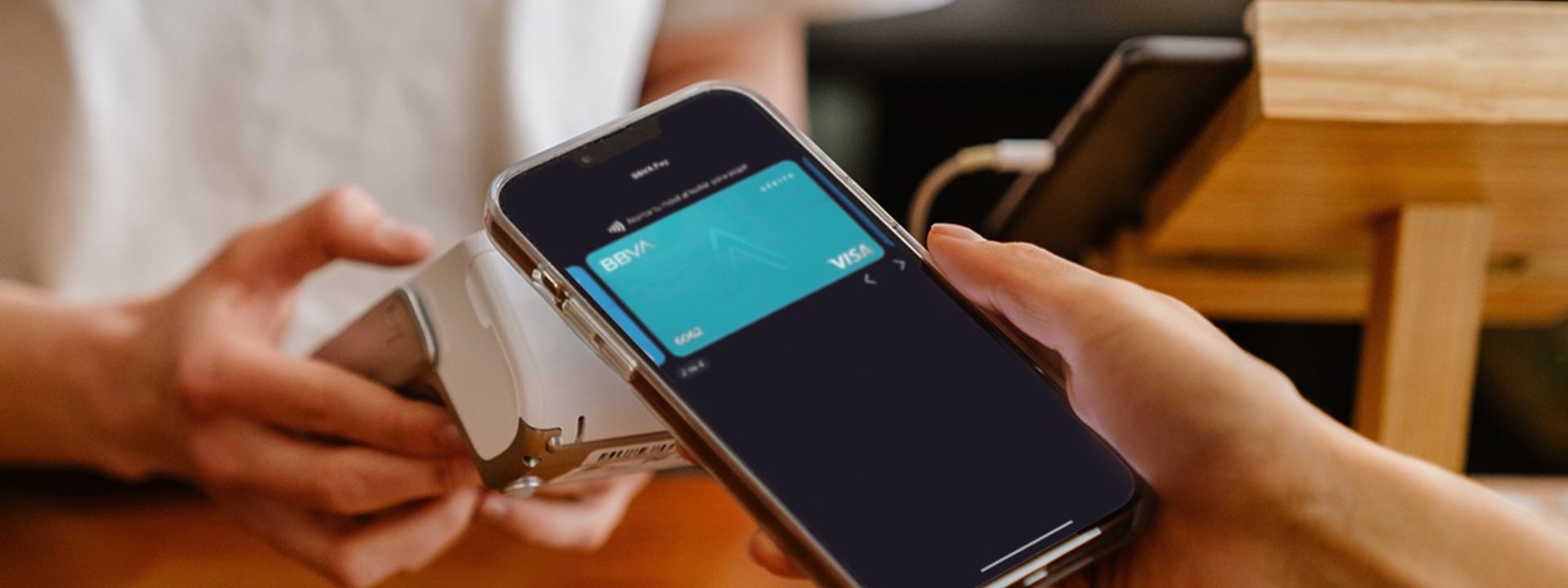
BBVA Pay, available through the BBVA Mobile Banking App, is a single issuer wallet launched in Spain. It is the first wallet in the world to use Visa’s own software developer toolkit (SDK) to directly integrate the Visa Token Service (VTS), a technology that protects sensitive card information by replacing it with a secure digital token. The wallet offers a new payment experience along with a secure, future-ready experience.
Klarna (the Klarna app), has launched its wallet in 14 European countries2, enhancing the app's functionality and making the Klarna app a single, seamless experience for Klarna users on both iOS and Android. Klarna, having launched the Klarna Card powered by Visa Flexible Credential, gives consumers further choice, and a truly integrated experience, with the addition of tap to pay as part of the Klarna app.
The Nordic mobile wallet company Vipps MobilePay has launched a Visa co-badged wallet in Norway, with Denmark, Finland and Sweden to follow. The wallet combines local familiarity with global reach as existing users can now tap and pay anywhere Visa is accepted, with their stored cards automatically enrolled for seamless contactless use—alongside the everyday features they already enjoy in Vipps MobilePay.
Italy’s domestic scheme BANCOMAT, has announced launched a pilot project with Visa to enable users of BANCOMAT wallet to make secure and contactless payments through the BANCOMAT Pay service, anywhere Visa is accepted. The pilot is based on VisaPay, Visa's new wallet solution, which provides security and scalability by leveraging Visa's advanced tokenisation capabilities. Testing of the solution is scheduled for early 2026.
“These launches reflect growing demand for mobile wallet-based payments and Visa’s commitment to supporting local and regional players with the scale, security and reliability of our global network,” said Mathieu Altwegg, Head of Product & Solutions, Visa Europe. “As a ‘hyper-scaler’, we’re enabling partners of all sizes to innovate faster and deliver more choice and convenience to consumers, while helping drive broader digital and economic growth across Europe.”
“This launch reflects BBVA’s strong commitment to innovation and to delivering an exceptional customer experience. It also positions BBVA as the first bank in Europe to offer a proprietary wallet powered by Apple technology — marking a milestone in the European banking industry,” said Luis Simoes, Head of Retail Experience and Value Proposition for Retail Banking at BBVA.
“Tap to Pay brings us closer to our vision of Klarna being everywhere for everything. Now you can set up a flexible payment plan and tap to pay in seconds, all inside the Klarna app. It makes the everyday shopping moments significantly smoother for our Klarna customers across Europe, giving them even more flexibility and choice at checkout.” said David Fock, Chief Product & Design Officer at Klarna.
"We’re pleased that our Vipps users can now tap seamlessly all over the world with Visa. It’s an important step toward our vision of making payments simpler and more unified for people wherever they go," said Rune Garborg, CEO of Vipps MobilePay.
“The pilot project launched with Visa marks an important step in the evolution of BANCOMAT products, with the aim of offering Italian banks and users increasingly digital services that can also be used outside national borders," says Fabrizio Burlando, CEO of BANCOMAT S.p.A.. "This collaboration will allow us to enhance the value of the BANCOMAT infrastructures, based in Italy, integrating them with Visa's global network to enable new features and expand the user experience for customers. The model allows us to maintain a strong local presence, while benefiting from the international acceptance network and the capabilities of a global player. We are confident that this partnership will bring greater value to Italian banks and their customers."
Looking Ahead: The Expanding Role of Digital Wallets
Digital wallets are quickly evolving: from simple payment tools to platforms that support peer-to-peer transfers, real-time bank payments and government IDs. With expanded NFC access, wallets could also store digital keys, loyalty cards, event tickets and more, opening the door to richer, more personalised services through a single, secure interface.
As Europe’s digital landscape evolves through advances in open banking, embedded finance and digital identity, financial institutions and fintechs have new opportunities to create more seamless, secure, and personalised experiences for their customers.
Visa’s infrastructure supports multiple payment types, including cards, account-to-account, and tokenised assets, giving partners the flexibility to build future-ready solutions that meet the needs of today’s consumers.
¹Decoding the European Mobile Wallet Evolution: Consumer Adoption and the Future of Wallets, Visa and Ipsos report, 2023
²Germany, Italy, Spain, France, the Netherlands, Finland, Belgium, Austria, Ireland, Portugal, Norway, Poland, Denmark and Sweden