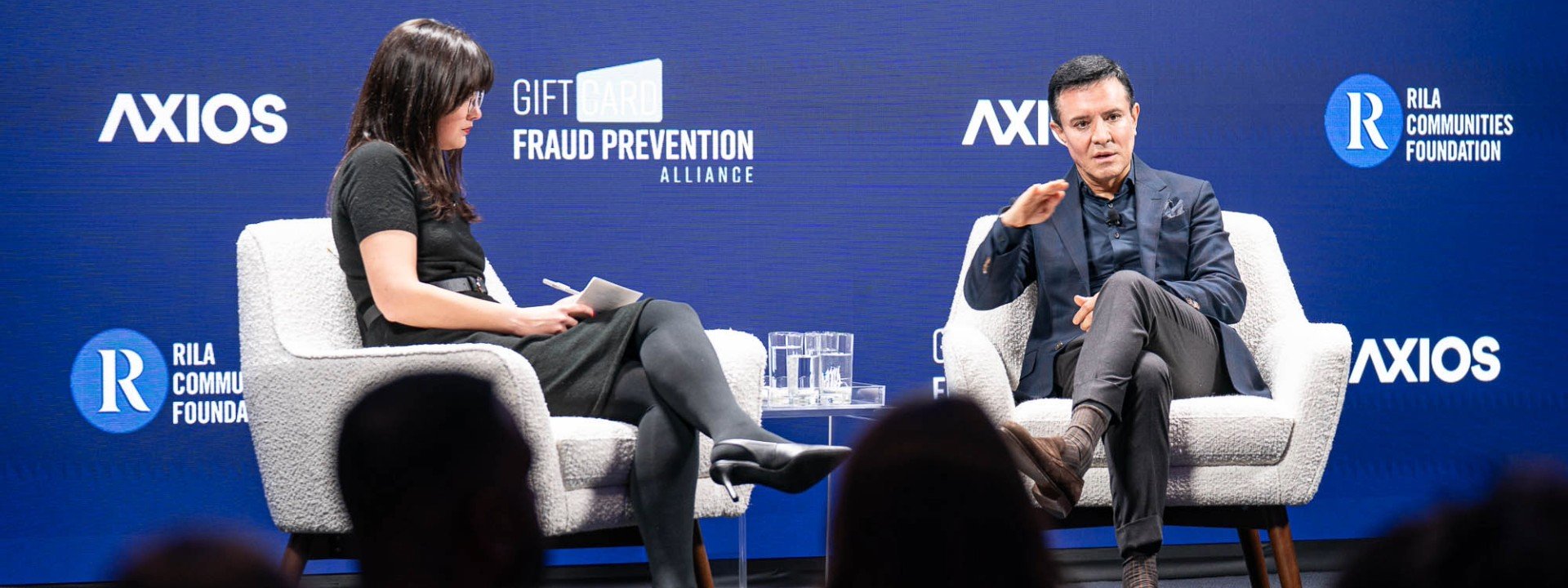

As we begin 2026, one thing is clear: criminal networks are evolving faster than ever, and the global payments ecosystem must move even faster. At Axios Live’s The Scam Economy: Tech, Theft and the Future of Retail event in Washington, D.C. last month, I spoke about how the rapid growth of digital commerce, the proliferation of low‑cost criminal tools, and the rise of AI‑driven identity attacks are reshaping how we protect consumers, merchants, and the entire payments value chain.
Visa sits at the crossroads of global commerce, connecting buyers and sellers safely. That position gives us unique visibility into how threats are changing and where the ecosystem must focus. Fraudsters are moving quickly, targeting consumer behavior, exploiting new technologies, and scaling scams that once took months to build. As we look across 2026, six major trends stand out, and each requires speed, coordination and intelligence to address.
1. Scams Now Mirror Consumer Behavior in Real Time
Scams increasingly track directly with predictable consumer moments. During the holidays, attackers surface with “too good to be true” offers designed to exploit the gift‑buying rush. As tax season approaches, criminals pivot to refund‑related schemes promising rapid payouts or steep discounts. And around major retail moments or shopping surges, scam activity increases across fake listings, counterfeit promotions, and fraudulent marketplaces. This dynamic underscores a reality our network confirms every day: fraud is becoming event‑driven and opportunistic. Detecting these shifts requires broad ecosystem visibility and the real‑time pattern recognition enabled by our AI and global data.
2. The Barrier to Becoming a Fraudster Has Hit an All‑Time Low
The proliferation of digital and mobile commerce has made it easier for legitimate businesses to compete, and for criminals to participate. It now takes little more than a smartphone and an inexpensive toolkit from the dark web to launch a sophisticated attack. With just a few dollars, fraudsters can automate scam outreach, harvest personal information, and execute fraudulent transactions at scale. This democratization of criminal capability is why Visa has invested around $13 billion in ecosystem protection over the last five years. These investments ensure we stay ahead of increasingly accessible tools that enable global scam operations.
3. AI‑Powered Identity Attacks Are Accelerating
Visa’s 2026 Global Payments Predictions pointed to a fundamental shift: the fight for identity is entering a new AI‑driven era. Fraud used to target the transaction level. Today, criminals are moving upstream, using deepfakes, synthetic identities, and hyper‑realistic impersonation to seize control of a consumer’s entire identity. Once an identity is compromised, every downstream transaction, account interaction, or digital engagement becomes vulnerable. This is fraud at scale, and its impact can be devastating. To counter it, the ecosystem will need to advance cross‑border identity‑risk sharing, build shared authentication technologies, and strengthen alignment among banks, merchants, fintechs, telecom providers, and government agencies. Visa will continue to be central to this fight.

4. AI‑Driven Scam Detection Is Becoming Core Infrastructure
Visa’s Scam Disruption program continues to evolve with advanced generative AI that can identify patterns behind global scam operations before those threats expand across markets. AI now plays a role in mapping scam infrastructure, analyzing anomalies across billions of transactions in real time, and accelerating intelligence sharing across borders. These advancements are delivering measurable impact. Recently, Visa Scam Disruption helped uncover millions in fraudulent activity linked to a global marketing scam targeting individuals building online businesses, part of the $1 billion in scams we have detected since launch in 2024. Working with partners, the operation was disrupted and escalated to federal law enforcement for further investigation.
5. Shipping Scams and Romance Scams Are Growing Rapidly
Two types of scams are rising especially fast. Shipping scams, driven by the ubiquity of mobile delivery alerts, are increasingly convincing and widespread. Romance scams are expanding globally and blend emotional manipulation with financial exploitation. Both categories cause significant personal and financial harm, and both require early detection and rapid disruption to prevent them from spreading across regions. Our global network and intelligence systems enable us to identify these emerging patterns before they gain traction.
6. Real‑Time Collaboration Has Become the Deciding Factor
Speed is now one of the most powerful tools in global fraud prevention. Criminal operations are coordinated across borders, platforms, and industries, and stopping them requires the same level of alignment. Visa is expanding real‑time communication with clients, strengthening partnerships with global law enforcement, and deepening collaboration with telecom providers and digital platforms. We are formalizing data‑sharing frameworks that enable intelligence to move quickly and efficiently around the world, improving our collective ability to stop criminals and, where possible, bring them to justice.
Looking Ahead
The nature of criminal activity is changing, but so is the security ecosystem protecting consumers and businesses. In 2026, the combination of real‑time intelligence, AI‑driven detection, global collaboration, and shared identity‑protection capabilities will define the next frontier of safety in commerce. Visa remains committed to leading this work, protecting billions of transactions every day, and strengthening the trust that enables the digital economy to thrive.